There’s no shortage of AI tools in Automotive Design promising to transform the Design process. Every week seems to bring another platform claiming to generate better concepts, faster renderings, or more creative ideas.
The question you might ask yourself in all of that: which AI tools should automotive designers use?
The good news is: you don’t need dozens of tools. What you need is the right tool at the right stage of the Design process. Some help organise research, some accelerate ideation, and some have become incredibly helpful for sketch rendering, CMF exploration or concept storytelling.
This guide brings together the best AI tools for automotive designers that actually create value.
| Design Task | Recommended AI Tools |
|---|---|
| Research, Thinking & Briefs | ChatGPT, Claude, Gemini |
| Ideation & Image Generation | Midjourney, Adobe Firefly, Nano Banana |
| Sketch-to-Render | Vizcom |
| CMF Visualisation | Adobe Substance 3D |
| 3D Concept Generation | Meshy, Tripo AI |
| UI/UX & HMI Prototyping | Figma AI |
| Motion & Concept Storytelling | Runway, Kling AI, Google Veo |
Every successful Design project starts long before the first sketch with a clear direction often determining the quality of the final concept. These AI tools help designers organise information, challenge ideas, and accelerate the thinking behind great design.
These are the best AI tools for Research, Thinking and Briefs in Automotive Design:

What is ChatGPT?
ChatGPT is an AI assistant that helps users research, analyse information, and generate ideas through natural conversation. Designers use it to structure complex topics, explore new perspectives, and turn scattered information into clear, actionable insights.
ChatGPT for automotive designers
Automotive designers increasingly use ChatGPT as a creative sounding board rather than a design tool. It can help summarise trend reports, compare competitors, organise workshop outcomes, or develop stronger narratives for design reviews. Many teams also rely on it to speed up everyday tasks, giving them more time to focus on sketching, modelling, and creative decision making.
What is Claude?
Claude is an AI assistant known for its ability to process long documents and produce clear, structured responses. It is widely used for analysing reports, refining written content, and organising complex information. Designers often choose it when they need thoughtful summaries rather than quick answers.
Claude for automotive designers
Automotive Design projects generate huge amounts of documentation, from design briefs and customer research to workshop notes and project feedback. Claude helps designers navigate that information more efficiently, making it easier to identify recurring themes and communicate ideas to wider teams. It is particularly useful when preparing presentations, or aligning multiple stakeholders around a shared design direction.
What is Gemini?
Gemini is Google’s AI assistant, designed to help users research, understand, and work with different types of content, including text, images, and documents. It is particularly effective when analysing large amounts of information, or connecting insights from multiple sources. Its integration with Google’s ecosystem also makes it a natural fit for collaborative projects.
Gemini for automotive designers
Design teams often work with extensive research, market analysis, and consumer insights before a project even begins. Gemini helps simplify that process by extracting key information from lengthy documents and making connections that might otherwise take hours to uncover. For designers working closely with strategy, branding, or innovation teams, it can significantly reduce research time without replacing critical thinking.
The earliest stages of Design are about exploration, not perfection. AI image generation has become a valuable way to test ideas, visualise different aesthetics and break through creative blocks before committing to sketches or digital models. Used well, these tools expand the creative process rather than replace it.
These are the best AI tools for Research, Thinking and Briefs in Automotive Design:

What is Midjourney?
Midjourney is an AI image generation platform that creates visuals from written prompts. It is widely used to explore different visual styles, develop mood boards and generate creative inspiration during the early stages of a project. Rather than producing finished vehicle designs, it helps designers visualise possibilities.
Midjourney for automotive designers
Automotive designers often use Midjourney to explore themes, proportions and design languages before putting pen to paper. It is particularly effective for creating mood boards, imagining future mobility scenarios, and communicating the atmosphere of a concept to clients or colleagues. Many designers also use it to challenge their own thinking by introducing unexpected visual directions that can inspire new sketch ideas.
What is Adobe Firefly?
Adobe Firefly is Adobe’s AI-powered creative platform, built to support image creation and editing within familiar design software. Instead of starting every visual from scratch, it helps designers modify, extend, or refine existing imagery much more efficiently. Its biggest strength is fitting naturally into established creative workflows.
Adobe Firefly for automotive designers
For automotive designers, Adobe Firefly is less about generating entirely new vehicles and more about refining concepts that already exist. It is commonly used to experiment with colours, environments, materials, or presentation visuals without rebuilding an image from the beginning. Because it integrates into tools many designers already use, it allows AI to become part of the workflow rather than another platform to learn.
What is Nano Banana?
Nano Banana is an emerging AI image generation and editing tool focused on creating consistent visual iterations. It allows designers to refine concepts, adjust existing imagery, and explore variations while maintaining a coherent visual style. As a result, it has become increasingly popular among creatives who value control over randomness.
Nano Banana for automotive designers
Automotive designers rarely need hundreds of completely different concepts. More often, they need multiple refinements of one strong idea. Nano Banana supports this iterative way of working, making it easier to explore subtle changes in form, colour, or visual direction while keeping the original design intent intact.
One of the biggest changes AI has brought to Automotive Design isn’t generating entirely new concepts. It’s dramatically reducing the time between a sketch and a visual that can be reviewed, discussed, and refined. For many designers, this is where AI has made the biggest practical impact.
These are the best AI tools for Sketch-to-Render in Automotive Design:
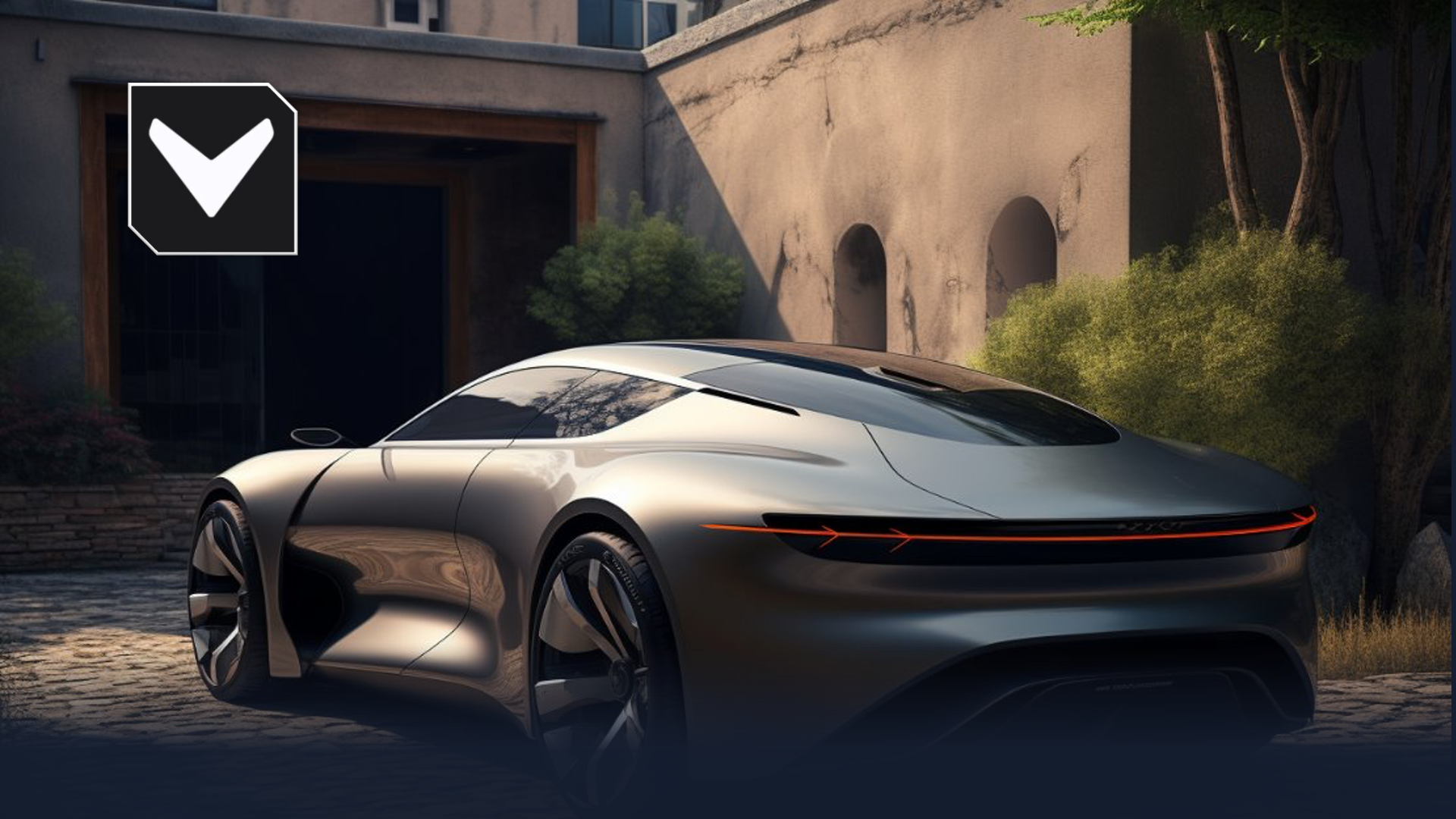
What is Vizcom?
Vizcom is an AI-powered visualisation tool that transforms hand sketches into polished concept renderings within minutes. It sits between sketching and digital modelling, allowing designers to explore ideas without committing to a full 3D workflow. Instead of replacing traditional design tools, it helps bridge the gap between early concepts and communication.
Vizcom for automotive designers
Few AI tools have been embraced by the Automotive Design community as quickly as Vizcom. Designers consistently praise its ability to preserve the character and intent of a sketch while producing visuals that are clear enough for internal reviews and client presentations. Whether exploring exterior themes, interior layouts or multiple design directions, it allows teams to iterate faster without losing the human quality of the original sketch.
Colour, Material and Finish are often what turn a strong design into a memorable one. AI is helping CMF Designers visualise materials, experiment with finishes, and communicate ideas earlier in the design process, reducing the need for multiple manual iterations.
These are the best AI tools for CMF Visualisation in Automotive Design:
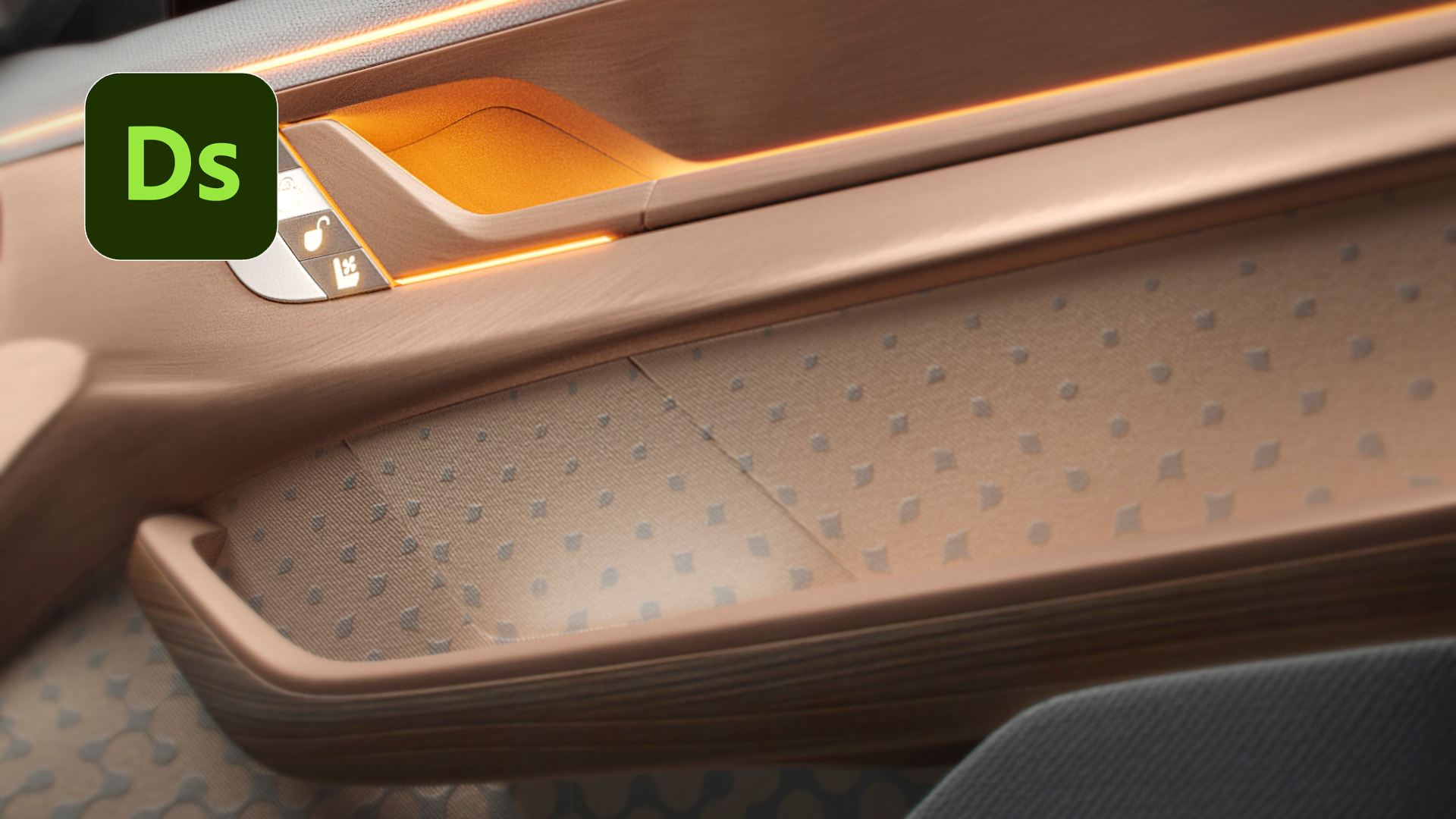
What is Adobe Substance 3D?
Adobe Substance 3D is a material creation and visualisation platform used to build realistic digital surfaces and finishes. Designers can create, edit, and apply materials that behave convincingly under different lighting conditions, making digital concepts feel much closer to real products. It has become an industry standard across Product, Entertainment, and Transportation Design.
Adobe Substance 3D for automotive designers
For CMF Designers, material quality is just as important as form. Substance 3D allows teams to explore combinations of leather, textiles, plastics, metals, and coatings long before physical samples are produced, making design reviews more informed and collaborative. As digital material libraries continue to grow, many studios are using it to shorten development cycles while maintaining a high level of visual realism.
Not every idea needs to begin with a detailed CAD model. AI-powered 3D tools make it easier to turn early concepts into rough digital models that support design discussions, packaging studies, and further development.
These are the best AI tools for 3D Concept Generation in Automotive Design:

What is Meshy?
Meshy is an AI-powered 3D generation tool that quickly creates digital models from text descriptions or reference images. It is designed to accelerate early concept development by producing rough geometry that can be refined later using traditional modelling software. Rather than replacing professional CAD workflows, it helps designers move from idea to three-dimensional thinking much faster.
Meshy for automotive designers
Automotive designers use Meshy to visualise early concepts, supporting elements, and design ideas without investing significant modelling time. It is particularly useful during workshops, concept exploration, and internal reviews, where speed often matters more than perfect geometry. By giving teams something tangible to discuss, it helps ideas evolve more quickly.
What is Tripo AI?
Tripo AI is an AI-powered platform that converts images and concepts into editable 3D models. It focuses on helping designers create digital assets quickly, making it easier to explore ideas before moving into detailed development. Its strength lies in reducing the time needed to establish a three-dimensional starting point.
Tripo AI for automotive designers
For automotive designers, Tripo offers a fast way to experiment with forms, accessories, and supporting design elements during the earliest phases of a project. While the output is not intended for production, it provides enough structure to evaluate proportions and communicate concepts with colleagues. This makes it particularly useful when exploring multiple design directions in parallel.
As vehicles become increasingly software defined, digital experiences are becoming just as important as physical design. AI is helping UX and HMI Designers move from ideas to interactive concepts more efficiently, allowing teams to test and refine experiences earlier in the development process.
These are the best AI tools for UI/UX and HMI Protoyping in Automotive Design:
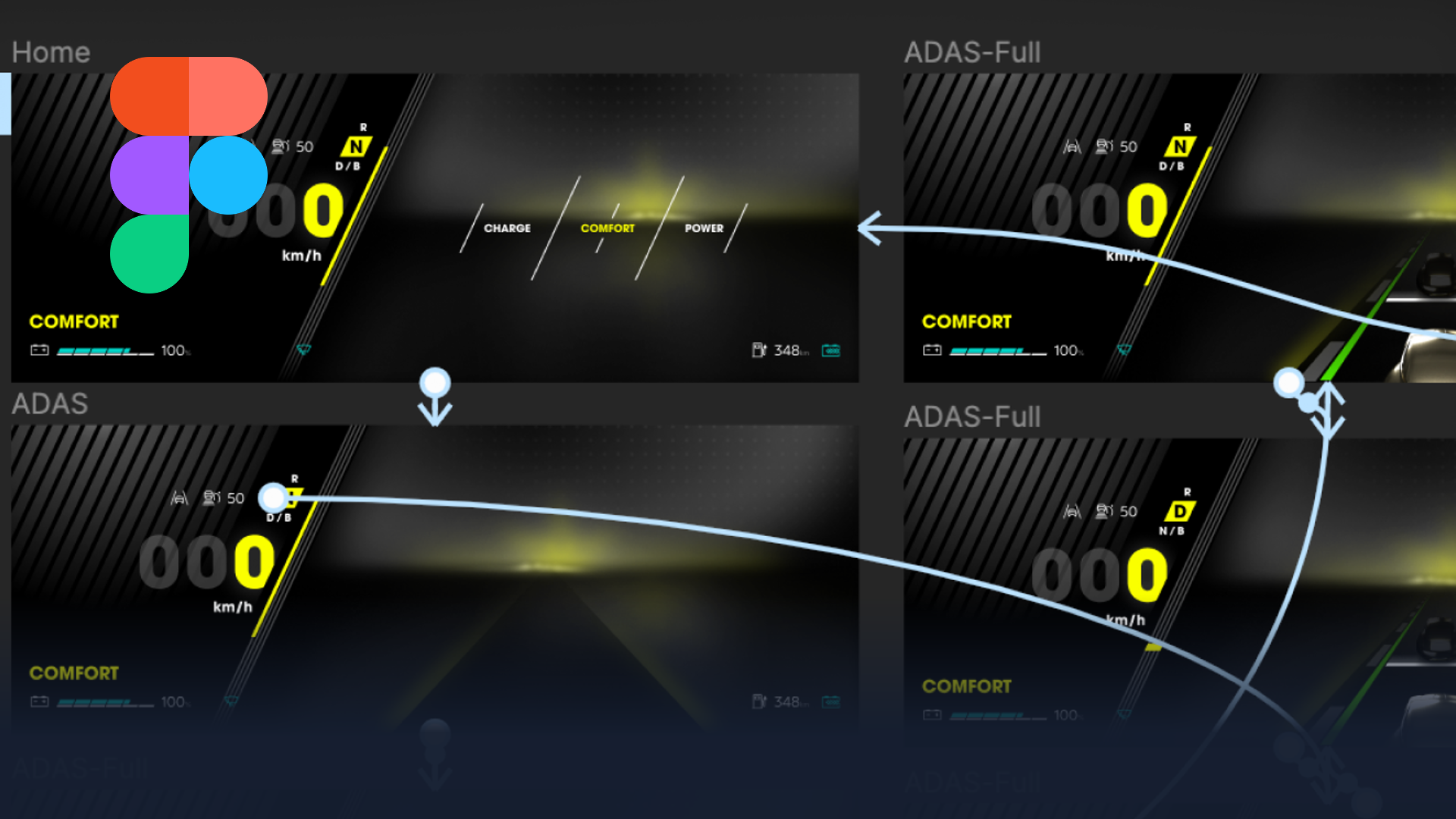
What is Figma AI?
Figma AI brings artificial intelligence into one of the world’s most widely used collaborative design platforms. It helps designers accelerate interface creation, organise projects, and generate early design concepts without disrupting existing workflows. Instead of replacing UX designers, it removes repetitive tasks and supports faster iteration.
Figma AI for automotive designers
HMI teams are under increasing pressure to create intuitive digital experiences that match the quality of modern vehicle interiors. Figma AI helps designers prototype ideas more quickly, explore alternative layouts, and refine user journeys before development begins. As digital cockpits continue to evolve, it allows teams to spend less time on setup and more time improving the user experience.
A strong concept is about more than a single image. AI video tools are giving designers new ways to communicate movement, atmosphere, and user experiences long before a physical prototype exists. Rather than replacing traditional animation, they make storytelling faster and more accessible during the concept phase.
These are the best AI tools for Motion and Concept Storytelling in Automotive Design:

What is Runway?
Runway is an AI-powered creative platform that helps transform images and concepts into short videos and animations. It is widely used by designers, filmmakers, and creative teams to communicate ideas through motion without requiring advanced animation skills. The platform is particularly effective for quickly producing presentation-ready visual stories.
Runway for automotive designers
Automotive designers use Runway to bring static concepts to life, making presentations more engaging and easier to understand. Instead of relying solely on still images, teams can communicate lighting changes, user scenarios, or emotional moments that are difficult to capture in a single render. This makes design reviews more immersive and helps stakeholders better understand a concept’s intent.
What is Kling AI?
Kling AI is an AI video generation platform that creates realistic moving imagery from text prompts or still images. It focuses on producing natural motion and cinematic sequences, making it well suited to visual storytelling. As image-to-video AI continues to evolve, Kling AI has become a popular choice for concept visualisation.
Kling AI for automotive designers
Automotive designers increasingly use Kling AI to communicate the experience around a vehicle rather than the vehicle itself. It helps visualise how a concept moves through different environments, how users interact with it and what the overall brand experience could feel like. During early concept development, that emotional context can be just as valuable as the design itself.
What is Google Veo?
Google Veo is Google’s latest AI video generation model, designed to create high-quality cinematic videos from simple prompts. It allows creatives to visualise stories, environments and concepts quickly without building complex animations from scratch. As the technology matures, it is becoming another powerful tool for early-stage visual communication.
Google Veo for automotive designers
For automotive designers, Veo offers another way to present ideas beyond static renderings. It can help communicate future mobility scenarios, customer journeys and concept narratives that place a vehicle within a believable context. Rather than replacing professional visualisation, it expands the ways designers can tell compelling stories around their work.
AI has become a valuable part of the automotive design process, but no single platform does everything well. The most effective workflows combine different tools at different stages, whether that’s using ChatGPT to structure research, Midjourney to spark ideas, Vizcom to visualise concepts or Runway to tell the story behind a design.
The common thread across all of these tools is simple: they remove repetitive work, accelerate exploration and give designers more time to focus on what matters most. Creativity, judgement and a deep understanding of people remain the qualities that define great automotive design. AI simply helps bring those ideas to life faster.
Knowing which tools exist is only the first step. Getting the most out of them requires understanding where they fit into the design process and how to integrate them into your daily workflow.
At Haus of Learning, we offer hands-on courses in the digital tools shaping the future of Automotive Design, including Vizcom, Figma and other industry-leading platforms. Built specifically for automotive and mobility designers, by automotive and mobility designers.
Explore our Design Craft Catalogue
Check out the list of the best CMF tools for Automotive Designers.
Sign up to your regular dose of everything Mobility Design:
deep insights, practical tips, and news on upcoming events.