At Konzepthaus’ Talent Team, we see both sides of the Design interview process every week. We prepare candidates, exchange feedback with hiring managers and, in many cases, sit in on the interviews themselves. One pattern comes up time and again: strong Designers don’t always get the offer, even when their portfolios are impressive.
Clean sketches, confident surfacing, two production programmes, and a concept car shown at a motor show. The Design Manager had flagged the portfolio as one of the strongest she’d seen that quarter.
Twenty minutes into the interview, she asked: “Have you worked on production projects?” The candidate smiled. “Yes, I have.” Then silence. A polite nod, a pause, and the next question. Nothing obviously went wrong, but the entire room shifted. And we’ve sat in enough interviews to have noticed the mistake: that question had opened a door, and the candidate had unknowingly closed it.
When we hear feedback from interviewers, it’s not always about creative ability. Instead, comments such as “I didn’t really get a sense of how they work” or “I couldn’t tell how they’d handle our process” point to a different concern. The candidate may have heard the question that’s been asked, but not the intention behind it.
If you’ve been invited to interview, they’ve already seen your portfolio. They know you can sketch and render, which cars you’ve worked on, and which studios you’ve been part of.
What Design Leaders really want to understand is your thinking behind it all:
These questions help Design Leaders and HR teams reveal capabilities that are often grouped under the term “soft skills”. But their role in Mobility Design is anything but soft. Communication, negotiation, judgement, and problem-solving all influence how effectively a Designer works within a complex project, and they can help decide between candidates whose portfolios are equally strong.
Instead of stopping at what you did, explain how you did it. You don’t need to turn every answer into a long project presentation. The aim is to give enough context for the interviewer to understand your contribution and how you approach challenges.
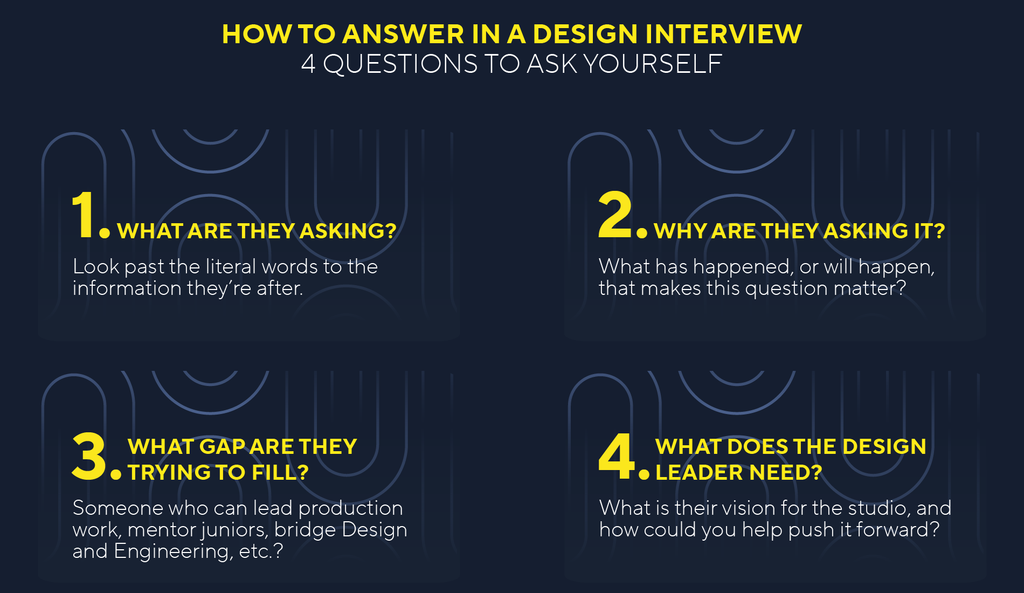
A few seconds of thought before answering can make a real difference. You don’t need to respond instantly. A considered pause is better than a rehearsed answer that misses the point.
So next time you hear “Have you worked on production projects?”, don’t just say yes. Hear it for what it is: an invitation to show the interviewer how you think, how you work, and how you’ll help them and their design leader move their vision forward.
Sign up to your regular dose of everything Mobility Design:
deep insights, practical tips, and news on upcoming events.