Author: Lena Kreis | Senior Consultant at Konzepthaus
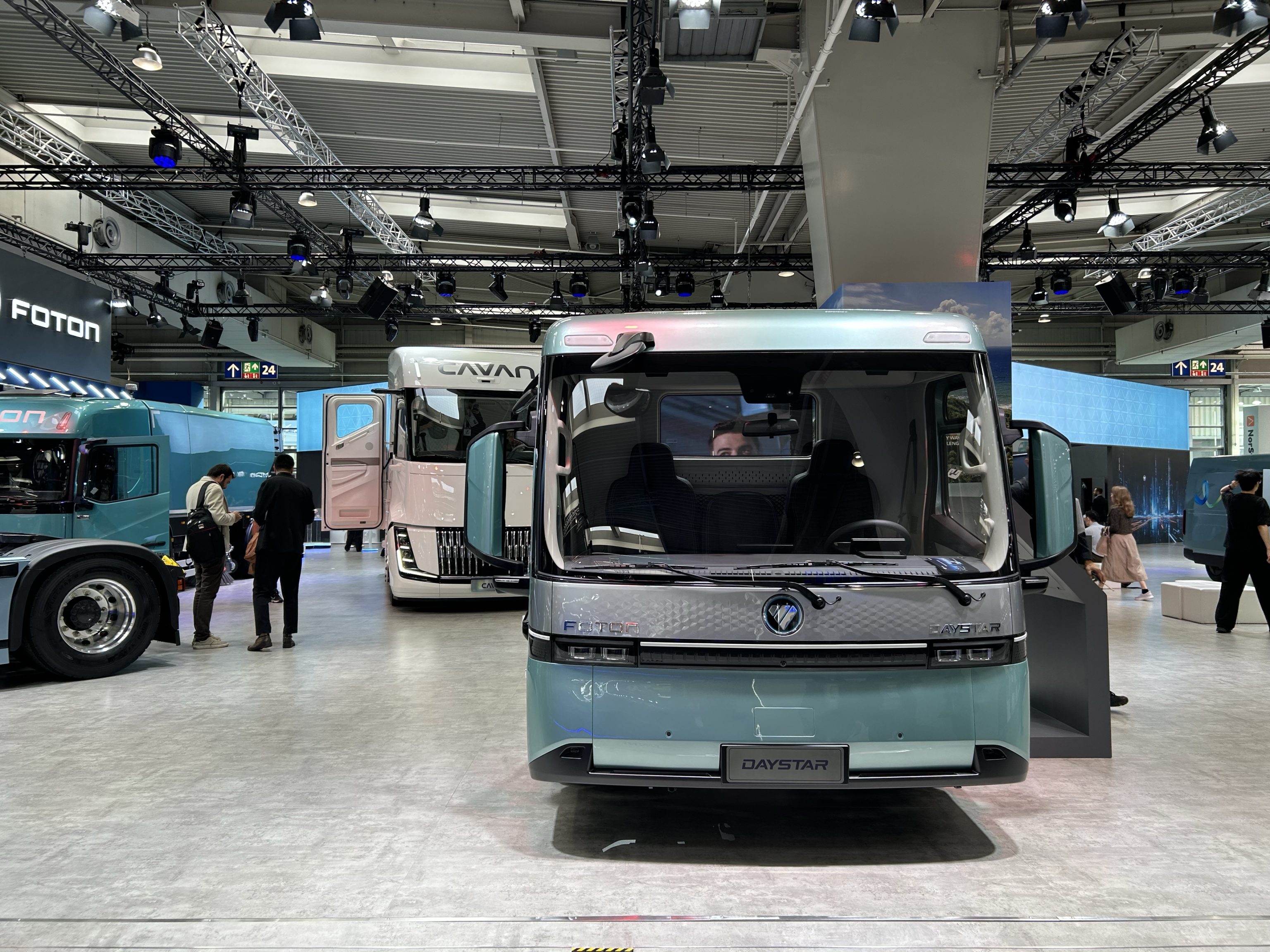
Connect with LenaI went to IAA TRANSPORTATION in Hannover expecting to see a lot of very large vehicles. Which I did. But what caught my attention even more, were the Design decisions behind them.
Here are three observations I took away from the show:
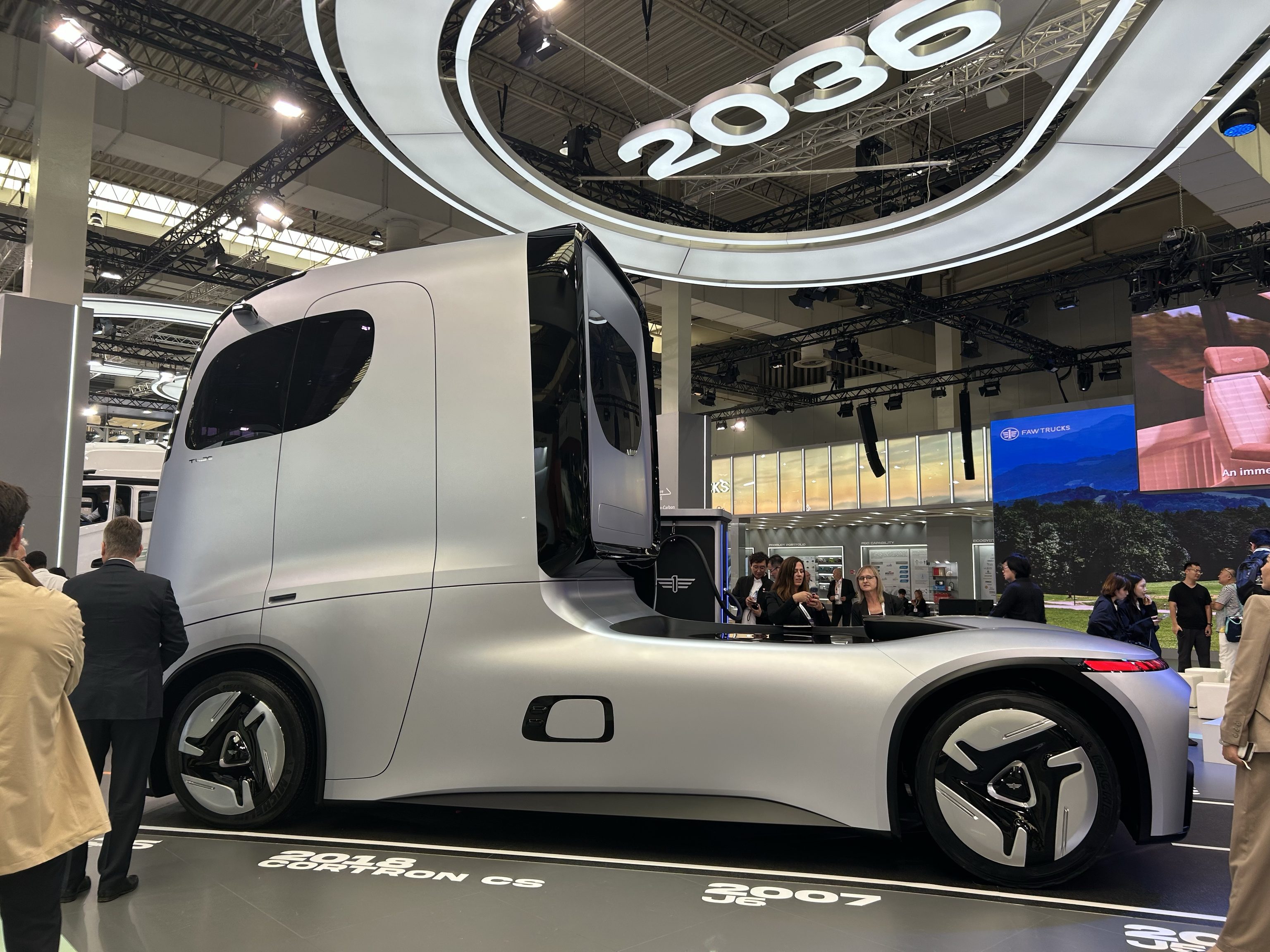
Commercial vehicles have always been driven by function. But with electrification, aerodynamics, sensors, new architectures, and increasingly sophisticated packaging, the relationship between technology and form is becoming tighter. Concepts like FAW’s TL.X also show that Design does not simply respond to technical constraints, but can actively help define what a product could become.
Many decisions that eventually define the design of a vehicle happen long before someone starts discussing surfaces. Which means: Design is moving upstream.
For Automotive Designers, this makes early collaboration with engineering and technical teams increasingly important. The question becomes less “How do we design this?” and more “Can design help decide what this becomes?”
This was probably the biggest takeaway: how closely physical and digital Design are now intertwined, with the product experience going beyond the physical vehicle.
A truck cabin can be a cockpit, workplace, living space, storage area, and digital environment all at once. Screens, driver assistance systems, navigation, charging, route planning, fleet services, and maintenance are all becoming part of the overall product experience. This means ergonomics, physical interaction, materials, and comfort increasingly have to be considered alongside HMI, UX, AI, and digital services.
But the two sides operate at completely different speeds. A physical vehicle can take several years to develop, while software can change within months or weeks and continue evolving after the vehicle enters production.
In this world, the question Designers face is: “What does a ‘finished Design’ even mean?” The relationship between Industrial Design, UX, and Digital Design makes less and less sense to separate neatly, and current Design processes must be rethought.
At the same time, this raises a bigger question: who is responsible for the overall experience?
Manufacturers are under growing pressure to reduce complexity, development time, and cost – especially facing Chinese competition. Reusing platforms, components, and architectures makes that possible and can create valuable synergies.
From a Design perspective, however, this modularity creates an interesting tension. If multiple vehicles share the same underlying systems, how do you make each one feel distinctive? And perhaps more importantly, does every part of the vehicle need to be distinctive?
A shared technical architecture does not automatically mean an interchangeable design. The opportunity may instead be to identify the elements that users actually notice and remember, the ones where being unique matters, then invest the design effort there.
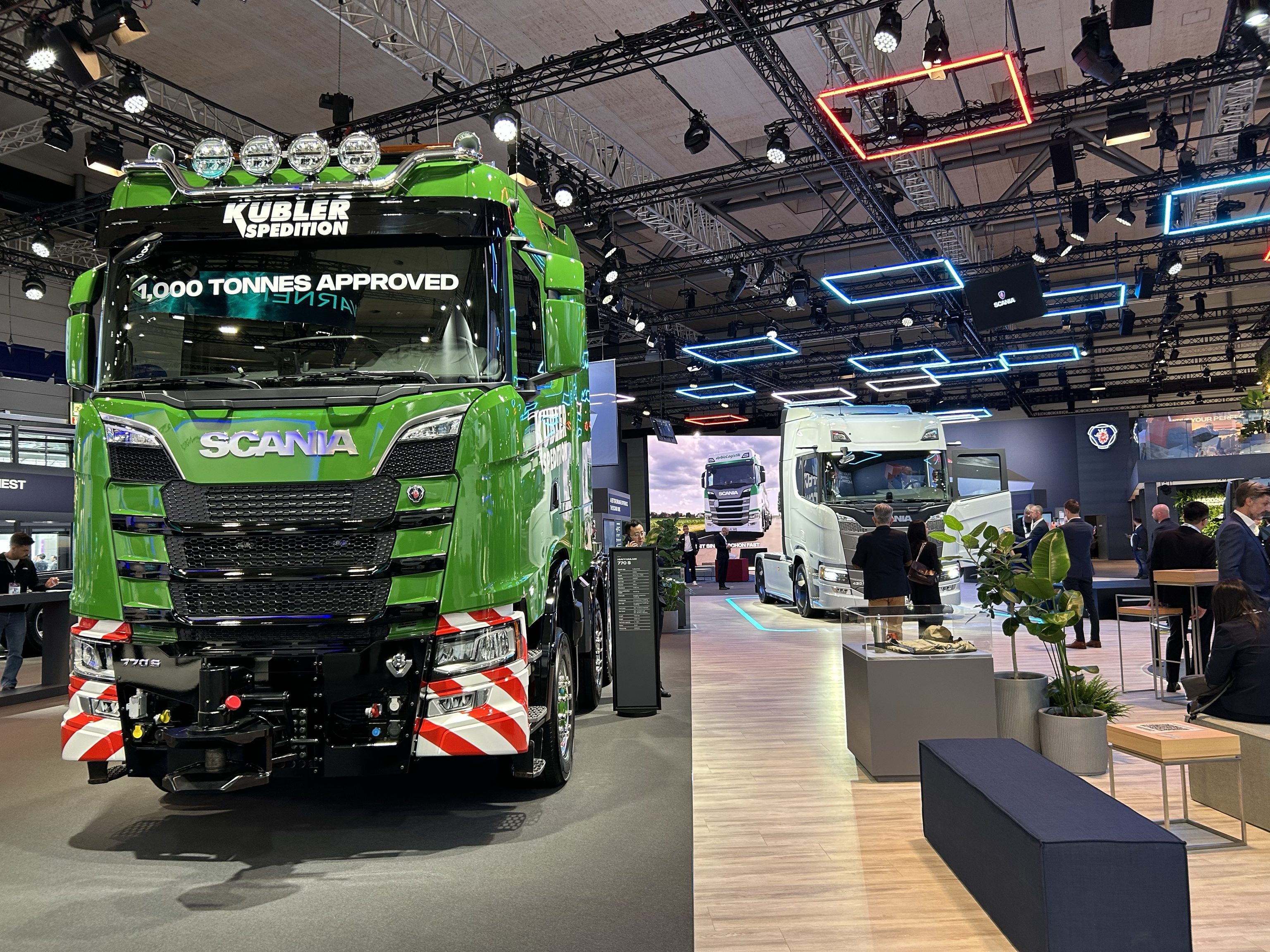
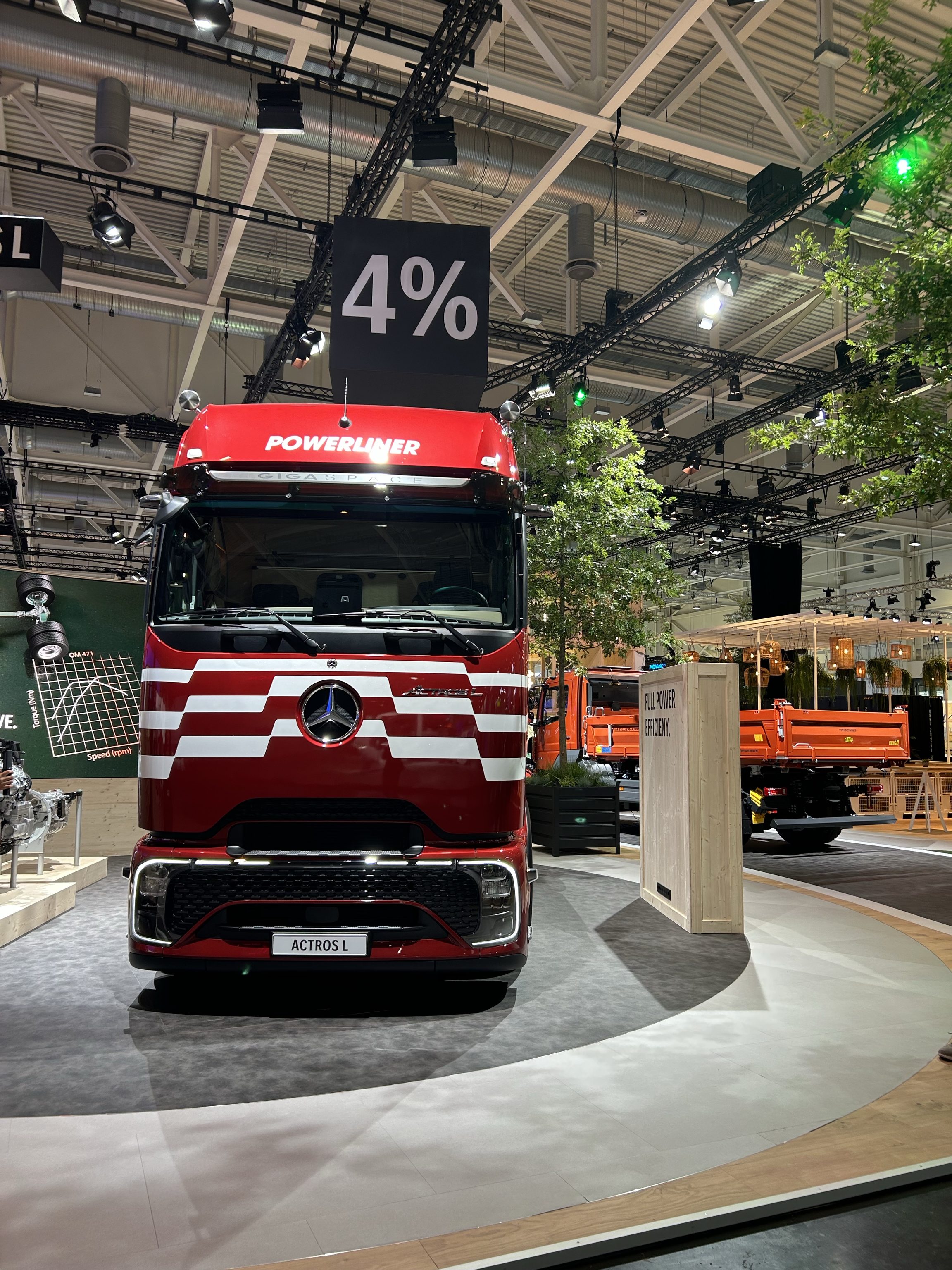
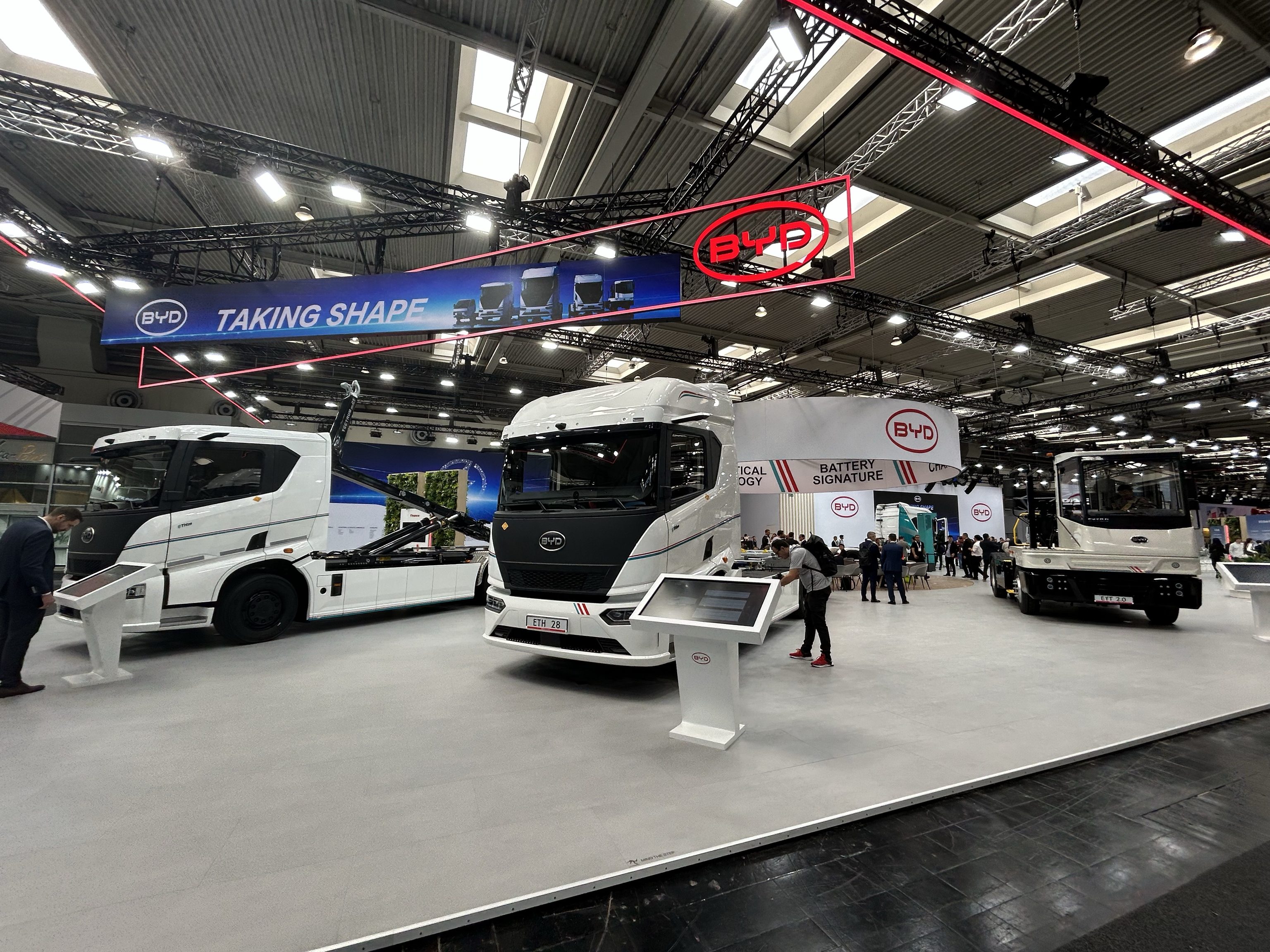
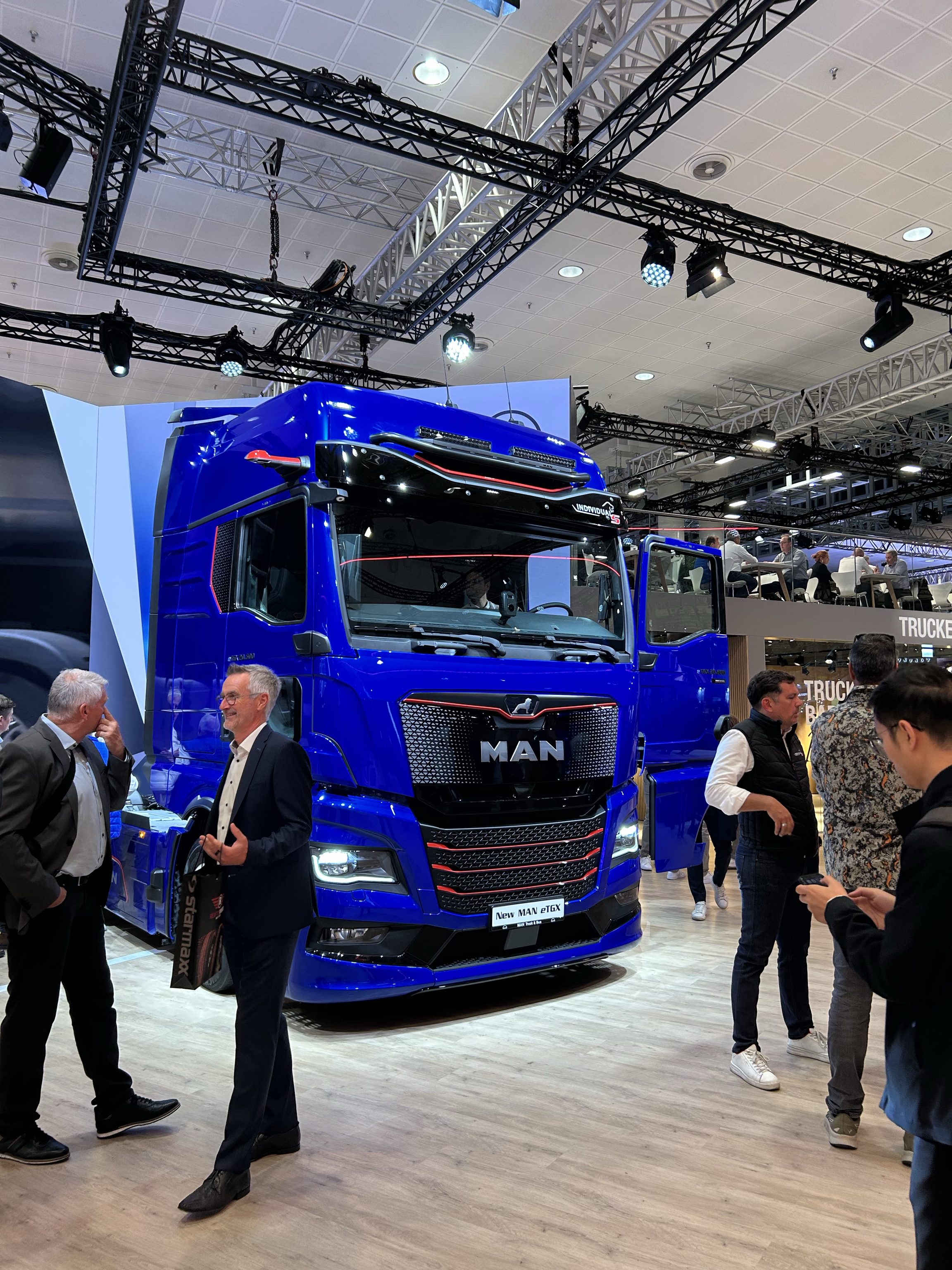
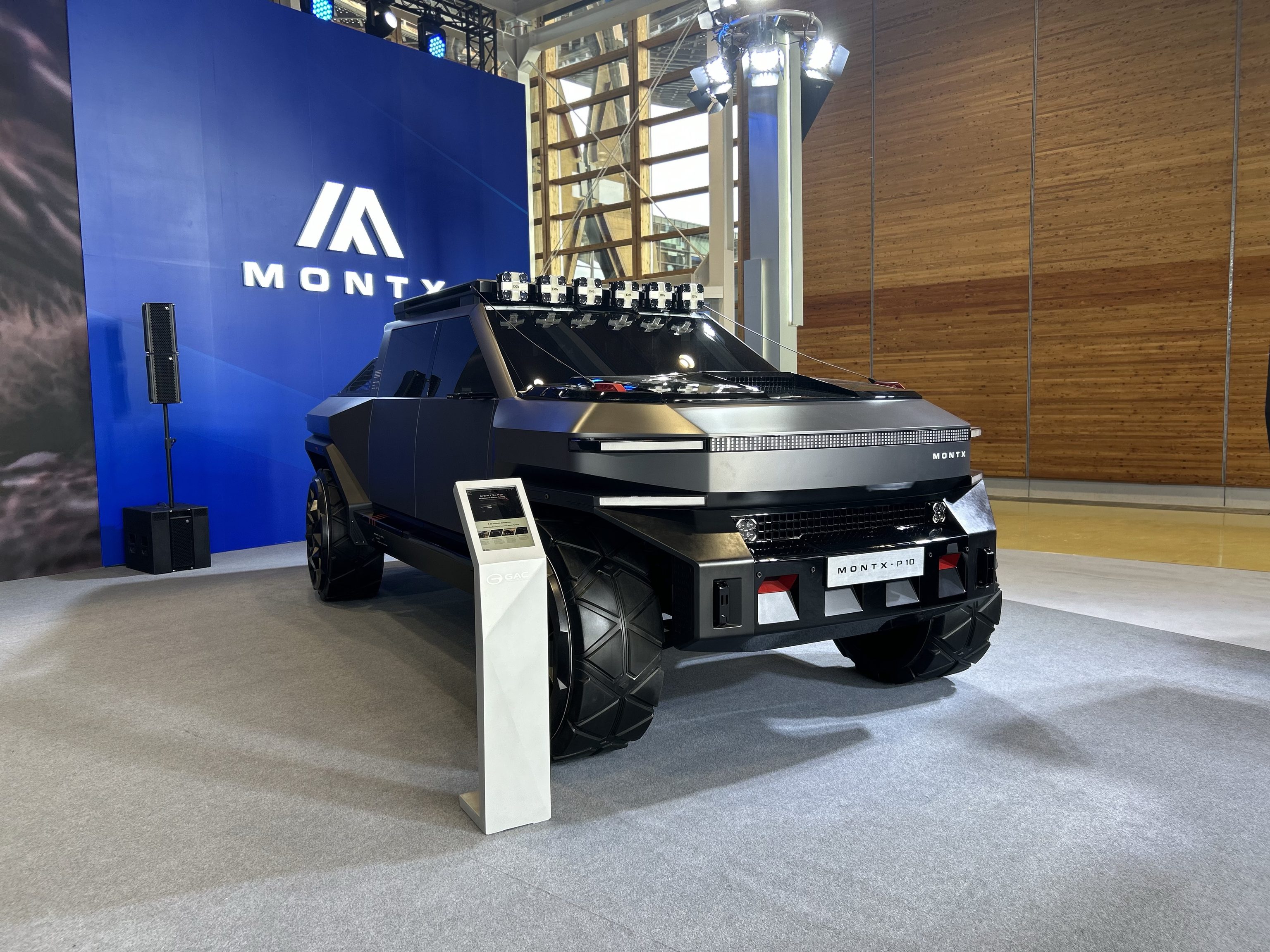
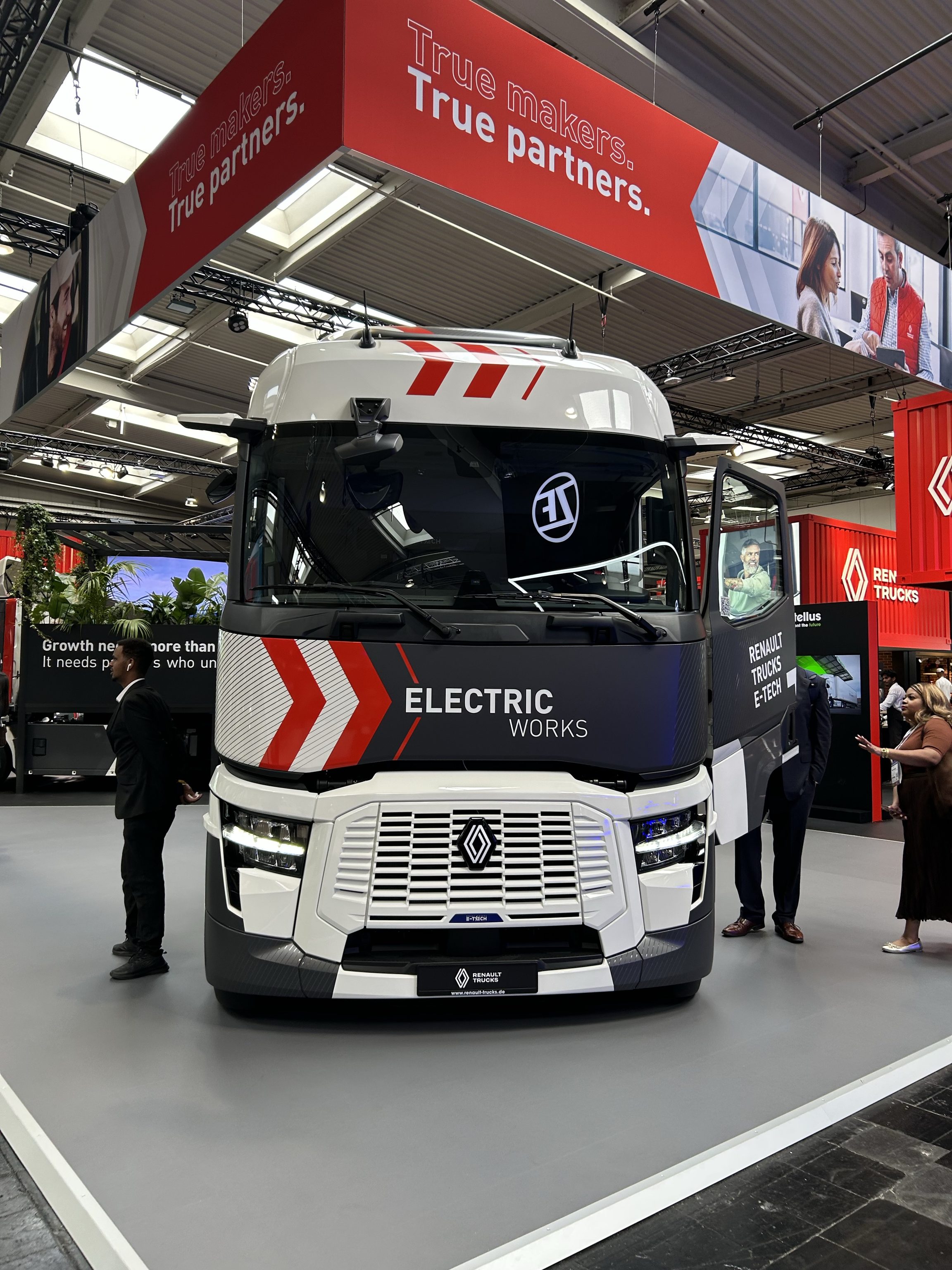
Looking across all of these observations, one thing kept coming back: the vehicle can no longer be designed as an isolated object.
The exterior is connected to aerodynamics and packaging; the interior is connected to ergonomics, materials and digital interaction. Software connects the vehicle to services and infrastructure. Shared architectures influence where and how Designers can create differentiation.
That means the boundaries between disciplines are becoming less obvious, and today’s Design challenge is becoming increasingly interconnected.
Industrial Designers need to understand more of the digital experience, UX Designers need to understand the physical context their interfaces live in, Engineers and Designers need to work together earlier, and CMF Designers have to consider both physical environments and digital touchpoints.
The vehicle is still the centre of the experience, but it is no longer alone the whole experience.
Being surrounded by many very, very large trucks at IAA TRANSPORTATION made one thing particularly clear: Design is getting involved in more parts of the product, and increasingly earlier in the process. Technology, packaging, physical interaction, digital interfaces, and services are becoming harder to separate from the vehicle itself.
Commercial vehicles make these shifts particularly visible. But the questions, challenges and opportunities that come with them are just as relevant to passenger cars. Instead of simply asking “What does the future vehicle look like”, now we have to ask “How can Designers shape the systems, spaces, interactions, and experiences around the vehicle?”
That is perhaps the biggest lesson I took away from IAA TRANSPORTATION: looking at trucks can tell us quite a lot about where Automotive Design as a whole is heading.
Explore our Consulting Services.
Sign up to your regular dose of everything Mobility Design:
deep insights, practical tips, and news on upcoming events.